
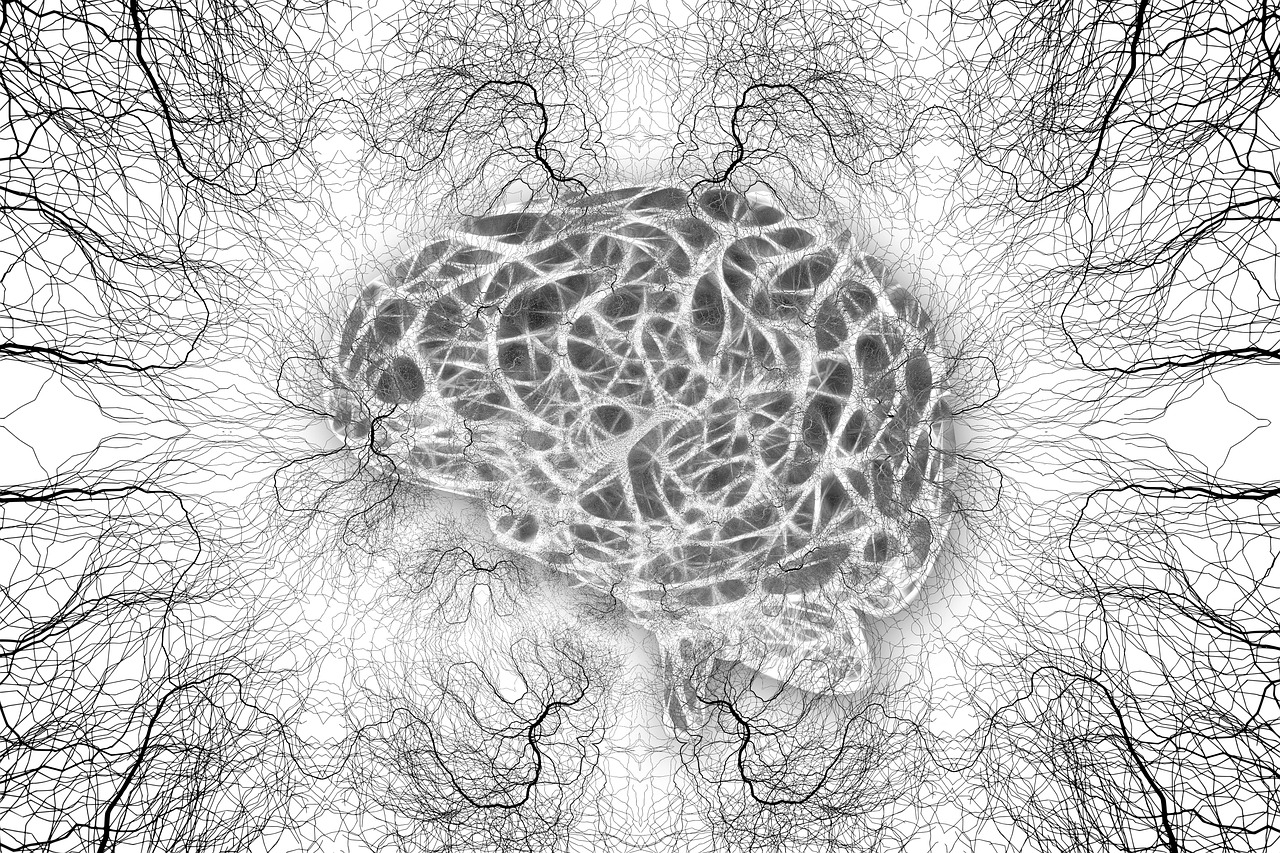
Grief and trauma, a tough combination, and so many folks are living right in the thick of it. My approach to grief pulls from Internal Family Systems (IFS) therapy, a method that helps you understand and heal the different “parts” inside you that carry pain, confusion, or protective instincts. For those who feel like grief is tangled up with trauma or old memories, this article is here to map out a gentler path forward.
We’ll look at exactly how IFS can support the processing of grief-related trauma memories, how it differs from more traditional grief support, and why a trauma-savvy approach matters. My background as a solo practitioner with extensive trauma training guides the way. Together, we’ll explore how parts work, getting to know your inner protectors and wounded selves, can lead to true relief and hope.
Understanding Grief and Trauma Through a Parts Work Lens
Grief is more than sadness over a loss. It’s an emotional storm that can shake up your body, your mind, and how you relate to others. Now, when you mix trauma into the equation, the ride often gets bumpier. Trauma can shape the way grief shows up, making it feel unpredictable or even overwhelming (Bonanno & Kaltman, 2001). Sometimes, the pain seems to come out of nowhere or hit harder than expected.
From a parts work perspective, like in Internal Family Systems, we see ourselves as made up of many inner “parts”, different aspects of the self that carry emotions, thoughts, or even roles from times we needed protection. Some parts might be deeply hurt or “exiled,” holding painful memories or sorrow, while others work hard to keep that pain out of the spotlight. This inner system shapes how everyone processes grief, especially if trauma is in the background.
Understanding this helps explain why grief isn’t “one size fits all.” For many folks with trauma, parts might push for numbness, distraction, or even disconnection, responses linked to dissociation (Dalenberg et al., 2012). To unpack that further, check out my take on dissociation as a trauma response and how it affects daily life. When we approach grief with this kind of care, it lets us validate each person’s unique experience, see where protective responses come from, and gently realign with parts that need healing. This lens is foundational for any real, sustainable relief from both grief and trauma, helping you feel seen, safe, and empowered to heal. For even more on safe, trauma-informed approaches, here’s how trauma therapy works at a deeper level.
What Is Internal Family Systems Therapy
Internal Family Systems (IFS) therapy is a model that helps you get to know your inner “family” of parts. Think of it like your mind is made up of different members: some are strong-willed managers who keep you going, some are firefighters who rush in to shut down pain, and some are exiles, these are the parts that were wounded, maybe long ago, and are tucked away with sadness or shame.
What makes IFS special is its emphasis on the Self, your calm, compassionate core. The Self leads with curiosity and kindness, helping all the parts feel heard and respected, instead of being bossed around or shut down. Every part has a reason for what it does, even if those reasons don’t always make sense today.
Unlike some therapy models that try to “fix” or silence painful feelings, IFS asks you to build a relationship with each part, even the messy or hurting ones. That’s why IFS is so powerful for grief and trauma: it creates space for every feeling, every memory, and every layer of your experience. Curious about how this approach is practiced in Virginia? You can explore options for Therapy for Grief and Loss in Virginia to see how IFS-informed support helps process grief and trauma in a safe, compassionate way.
Why IFS Matters for Grief-Related Trauma
If you’ve ever found that just talking about your grief isn’t enough, or if old wounds seem to get poked over and over, it might be because trauma and loss get buried deep within our inner parts. Traditional talk therapy can offer a listening ear, but it doesn’t always help those tangled-up parts that take over when grief hits hard.
IFS offers gentle ways to meet the protective parts that put up walls or try to keep life “under control” after loss. It balances compassion with real curiosity, so instead of pushing past pain, you learn how to be with it, without being consumed. This approach helps you find the parts that are stuck or acting out after trauma and guides you to relate, not just react.
So often, grief brings up conflicting feelings, love, anger, guilt, numbness. IFS is unique because it normalizes these emotional cross-currents. Your protector parts developed for survival, but sometimes they clash with exiled parts that are holding grief or longing. IFS supports you in making sense of it all, leading to less shame, more clarity, and room to honestly heal.

How IFS Supports Healing After Loss
At the heart of IFS is the belief that every part of you deserves a voice, even those carrying grief, anger, or sorrow. After a significant loss, it’s common for old wounds or hidden emotions to bubble up. IFS steps in by providing a framework where each inner part can be acknowledged and supported, not brushed aside or ignored.
This approach creates room for integrating difficult emotions without being overwhelmed. By gently identifying which parts of you are in pain and which are working to contain it, IFS guides you to approach your grief with compassion and genuine curiosity. It moves away from quick fixes and, instead, welcomes all pieces of your story to the table, building trust inside your own mind and heart.
In the next sections, we’ll dive into exactly how IFS helps you identify exiled parts holding deep sorrow, work with protective parts that keep you safe (sometimes a little too safe), and learn to separate yourself from overwhelming emotions without cutting them off completely. These steps make lasting relief possible, even after complex or traumatic losses.
Identifying Exiled Parts Carrying Grief
Within IFS, “exiled parts” are the hidden corners of your inner world that carry the rawest pain, loss, or shame. These parts often hold onto memories and feelings that felt too overwhelming or unsafe to deal with at the time of the loss. Over time, they may go underground, but their pain isn’t forgotten.
Telltale signs that you’ve got an exiled part close by include sudden bursts of sadness, dreams or flashbacks, and moments where you feel young, lost, or especially vulnerable. When we gently connect with these exiled parts, without judgment or force, we start to lay the groundwork for deeper healing. Giving them a voice allows you to process grief in a way that’s both honest and kind.
Working With Protective Parts After Bereavement
Anytime grief hits, some parts might decide their job is to protect you, even if that means keeping you too busy to feel or making you numb. These are the managers and firefighters in IFS language: the perfectionist that plans every detail or the inner critic that scolds emotion, for example.
Sometimes protectors push us to avoid memories or keep up a “strong front,” all while blocking the vulnerable parts that need comfort, a pattern closely related to how emotion regulation strategies like suppression operate under stress (Gross, 2015). Befriending these protectors isn’t about getting rid of them, but understanding their good intentions and gently negotiating new ways to support your healing. When protectors trust the Self, they often ease up, letting grief move through you in safe, manageable ways.
Blending Versus Unblending With Grieving Parts
In IFS, “blending” means you’re so caught up with a part, like grief or anger, that it feels like all of you. When blended, emotions take over and make it hard to see the bigger picture or access compassion. “Unblending” helps you step back and relate to the feeling, instead of being ruled by it.
Unblending isn’t about ignoring pain, it’s about creating a safe gap where you can witness what a part is feeling without being swept away. With practice, you can start to notice when a grieving part is leading the show and invite your Self’s calm, curious presence in. For trauma survivors, this skill is a game-changer, bringing relief and greater self-trust.
Practical Tips for Integrating IFS Into Grief Recovery
- Pause and Notice Your Inner Experience: Take a minute each day to check in. What thoughts or feelings are coming up? Is there a part that feels sad, critical, or numb? This gentle pause is the first step to building trust with your inner world.
- Journaling Prompts for Your Parts: Write down dialogue between your parts. For example, “What is my hurting part trying to tell me?” or “How does my protector part feel about letting me grieve?” Let the answers come naturally, without judgment.
- Befriend Protectors: When you notice a part trying to “shut things down,” thank it for keeping you safe. Ask what it needs right now, and reassure it you’re listening. This attitude can ease resistance and open the door for deeper healing.
- Grounding Exercises: If strong grief takes over, use grounding techniques, a walk, feeling your feet, trying to name five things you see, to help you unblend from overwhelming emotions.
- Know When to Seek Support: If you get stuck or overwhelmed, consider connecting with a professional trained in IFS. To learn more about therapy options find an IFS therapist nearby.
Conclusion
Grief that’s tangled up with trauma can feel heavy, lonely, and unfixable. But with Internal Family Systems therapy and its unique parts work approach, real relief and healing are possible. We’ve covered why understanding your internal system matters, and how making space for every part, especially the hurting or protective ones, opens the door to genuine growth.
Remember, there’s no “right way” to grieve or recover, and what works is often gentle, patient, and tailored to you. With IFS, you don’t have to push away your pain or fear; instead, you can greet each part with curiosity and compassion, leading the way to a more connected and peaceful you.
Frequently Asked Questions
How is IFS different from traditional grief counseling?
IFS goes beyond surface-level talk by working directly with your inner parts, those carrying pain and those trying to protect you. Traditional grief counseling may focus more on expressing emotions and coping skills. IFS lets you compassionately connect with every part, leading to lasting shifts in how you relate to grief and yourself, especially when trauma is layered in.
How long does it take for IFS to help with grief?
There’s no fixed timeline, healing with IFS happens at your own pace. Some people notice changes after a few sessions, especially with skilled guidance. Others take longer to build trust with their parts and work through protective defenses. What matters is moving at a speed that feels safe, so deep wounds can be witnessed and gently understood.
Can IFS help if I feel numb or disconnected instead of sad?
Absolutely. Numbness or feeling shut down is often a protective response, an inner part working hard to keep pain at bay. IFS gives you tools to “meet” this part with respect, rather than trying to force feelings to the surface. Over time, this approach often reduces numbness and helps genuine emotion emerge naturally and safely.
Is IFS effective for people with traumatic losses from the past?
Yes, IFS is uniquely helpful for people whose grief is complicated by trauma, no matter how long ago the loss happened. By addressing both exiled (wounded) and protecting parts, IFS allows you to integrate old pain, rather than staying stuck in cycles of avoidance or overwhelm. Many find new clarity, meaning, and peace even years after a trauma-related loss.
How do I know if working with an IFS therapist is right for me?
If you’re looking for a therapy style that honors all your feelings, even the ones you hide from yourself, IFS may be a good fit. People drawn to IFS often want a nonjudgmental, collaborative way of working through grief and trauma. If you’re curious, reach out for an initial conversation or read more about IFS practices in your area to see if it resonates with you.
References
- Bonanno, G. A., & Kaltman, S. (2001). The varieties of grief experience. Clinical Psychology Review, 21(5), 705–734.
- Dalenberg, C. J., Brand, B. L., Gleaves, D. H., Dorahy, M. J., Loewenstein, R. J., Cardeña, E., Frewen, P. A., Carlson, E. B., & Spiegel, D. (2012). Evaluation of the evidence for the trauma and fantasy models of dissociation. Psychological Bulletin, 138(3), 550–588.
- Gross, J. J. (2015). Emotion regulation: Current status and future prospects. Psychological Inquiry, 26(1), 1–26.